Journal / Fixtures
Bidet toilets and bidet seats: the four types and what each needs installed
Words by the Bathroom Edit editor · Updated on 8 October 2026 · 9 min read
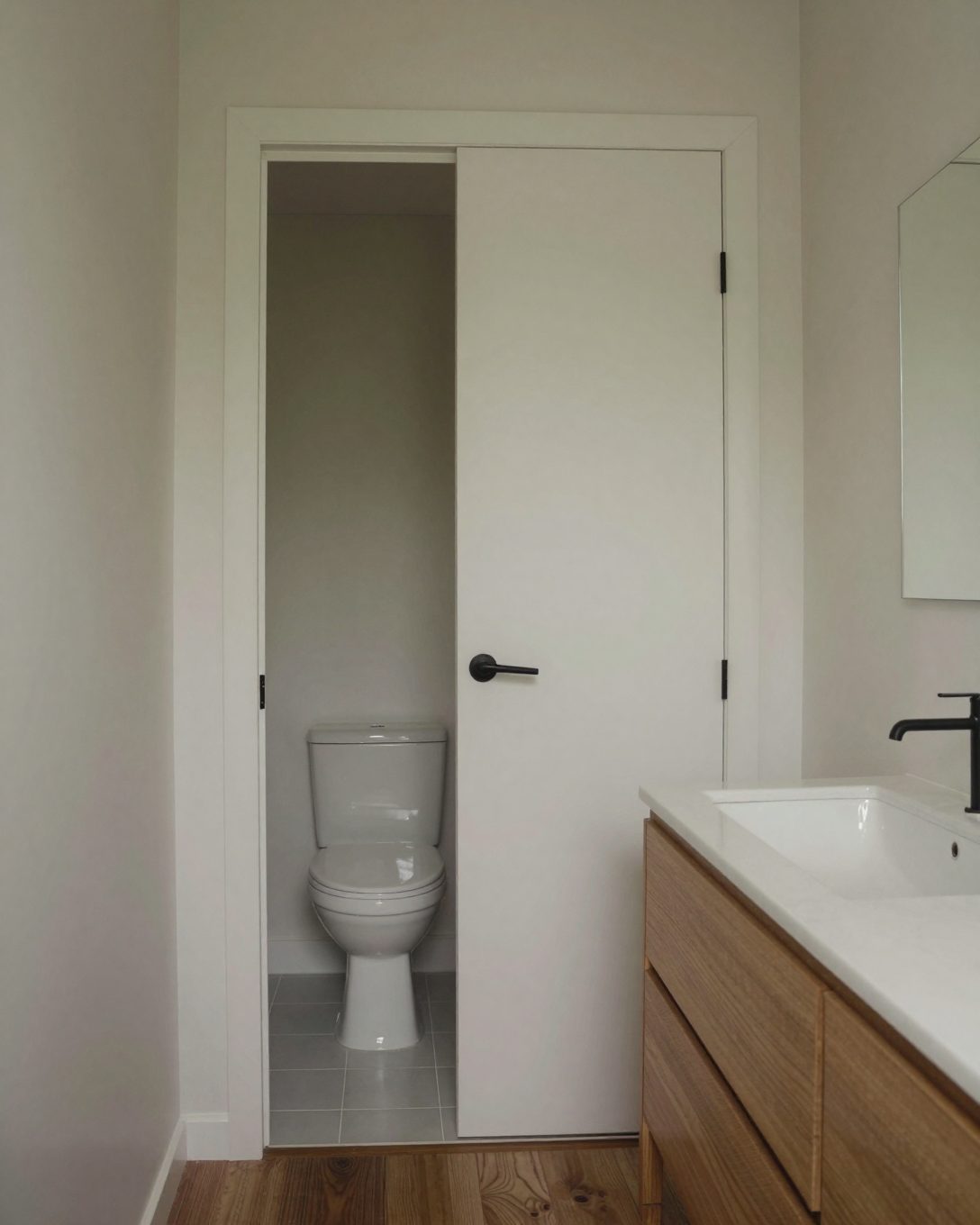
There are four kinds: a non-electric attachment under your existing seat, an electric bidet seat that replaces the seat, an integrated smart toilet with the bidet built in, and a separate bidet fixture. Electric models need a power point near the toilet, installed by a licensed electrician, and plumbing products must be WaterMark certified and installed by a licensed plumber.
A "bidet toilet" can mean four different things: a non-electric attachment fitted under your existing seat, an electric bidet seat that replaces the seat, an integrated smart toilet with the washing function built in, or a separate bidet beside the toilet. Electric versions need a power point near the toilet. Any product connected to the water supply should be WaterMark certified, and in NSW plumbing and electrical work must be done by licensed tradespeople.
The four types compared
| Type | What it is | Needs power? | Needs a plumber? | Best for |
|---|---|---|---|---|
| Non-electric attachment | A thin unit under the existing seat, fed from the toilet's water supply; usually cold water only | No | Connection to the water supply; check the product's certification | Trying a bidet without changing the toilet |
| Electric bidet seat | Replaces the seat; usually warm water, heated seat, dryer, remote or side panel | Yes, a power point near the toilet | A water connection | Upgrading an existing toilet that the seat fits |
| Integrated smart toilet | A complete toilet with the bidet built in, sometimes with automatic lid and flush | Yes | Yes, as a new toilet | A renovation, where the toilet is being replaced anyway |
| Separate bidet fixture | A second basin-style fixture beside the toilet | No | Yes, with its own waste and supply | Larger bathrooms with room for two fixtures |
The power point: plan it early
Electric bidet seats and smart toilets need power within reach of the toilet. Most bathrooms do not have a power point there, and in a wet area its position is governed by the wiring rules. That means a licensed electrician, and in a renovation it is far easier to add the point before the walls are tiled than after. If you think you may want an electric bidet in future, ask for the power point to be roughed in during the renovation.
WaterMark: the check that protects your plumbing
WaterMark is the Australian certification scheme for plumbing and drainage products, administered by the Australian Building Codes Board. Certification is required before a licensed plumber can legally install a plumbing product, under state and territory rules, and certified products carry the WaterMark trademark and appear on the WaterMark product database. Before buying a bidet seat or attachment, especially online from overseas, check whether it is certified. An uncertified product may not be installable by a licensed plumber.
Is a bidet spray illegal in Australia?
A bidet is not automatically prohibited, but connecting a handheld spray or seat can create a high-hazard backflow risk. NSW requires the plumber to check the actual outlet arrangement and the protection identified on the WaterMark certificate. Where appropriate integral high-hazard protection is not documented, an additional approved high-hazard device is required. A WaterMark logo alone does not settle the complete installation. Have a licensed plumber assess the exact product before buying or connecting it.
Will it fit my toilet?
For bidet seats and attachments:
- Seat shape and size. Measure the bowl's length from the seat mounting holes to the front, and the distance between the mounting holes. Seats are made for particular bowl shapes.
- Concealed or in-wall cisterns. Check where the water connection is and whether there is room for the bidet's supply hose.
- Space beside the toilet. Side control panels and hoses need clearance from the wall or vanity.
- The power point, for electric seats, as above.
If the bathroom is being renovated, choosing the bidet and the toilet together avoids most fit problems. Our bathroom layout guide covers where fixtures can go; whatever the layout, plan a bidet's power and water at the rough-in stage.
What to ask before you buy
- Is it WaterMark certified, what backflow protection does its certificate identify, and what additional protection does the plumber require? For electric models, is it approved for sale in Australia?
- Does it need warm water from the household supply, or does it heat its own?
- What is the warranty, and who services it in the Hunter?
- What does installation involve for my bathroom: a power point, a new valve, any wall work?
For the small rooms where a bidet seat is most often added, see our powder room ideas and ensuite design guides.
Electric bidet seats in more detail
An electric bidet seat replaces your existing toilet seat and adds a wand that sprays warm water for washing, usually with adjustable pressure, position and temperature. Many add a heated seat, a warm-air dryer, a deodoriser and a remote control. They need a power point near the toilet, installed by a licensed electrician in a suitable position, and a water connection from the toilet's existing cold supply through a T-piece. Most fit standard toilets, but check the seat's shape and mounting holes against your toilet.
Non-electric bidet seats and attachments
Non-electric bidet attachments fit under the existing seat and use cold water, or a mix of hot and cold if a hot water connection is run to the toilet. They are cheaper and need no power point, but offer fewer features. They suit renters and anyone wanting to try a bidet before committing.
Integrated bidet toilets
Integrated or smart toilets combine the toilet and bidet in one unit, often with automatic lids, self-cleaning wands, built-in dryers and night lights. They are the most expensive option, need a power point and water connection, and are best chosen during a renovation when the plumbing and electrical can be planned.
Handheld bidet sprays
A handheld bidet spray is a small hose and spray head mounted beside the toilet, connected to the cold water supply. It is the cheapest option and common in many countries. It must be installed with the right backflow prevention and certified components, and some councils and water authorities have specific rules about where they can be connected.
Hygiene and cleaning
Most bidet seats and toilets have self-cleaning wands that rinse before and after use, and removable nozzles for cleaning. Wipe the seat and wand as the maker recommends, descale where hard water leaves deposits, and keep the electrical parts dry.
Accessibility benefits
Bidets can make toileting easier for older people and people with limited mobility or dexterity, reducing the need to wipe and helping with independence. A warm-water wash and a dryer can be particularly helpful. Talk to an occupational therapist about the best option if accessibility is the main reason for the purchase.
Running costs
Electric bidet seats use a small amount of electricity, mostly to heat the seat and water, and a little water per use. Many have eco or timer modes that reduce heating when the toilet is not in use. The water used for washing is often offset by using less toilet paper.
Installing a bidet seat yourself
Many bidet seats are designed for owners to fit, using the existing toilet's mounting holes and a T-piece on the cold water supply. But the power point must be installed by a licensed electrician, and any new plumbing connections should use WaterMark certified parts. If in doubt, ask a plumber to connect it, especially in older homes where isolating valves may be stiff or leaking.
Choosing the right type
| You want | Choose |
|---|---|
| The lowest cost and no power point | Non-electric attachment or handheld spray |
| Warm water, a heated seat and a dryer | Electric bidet seat |
| The cleanest look and every feature | Integrated smart toilet |
| Something you can take when you move | A bidet seat or attachment |
Will it fit?
Bidet seats come in round and elongated shapes; measure your toilet bowl from the mounting holes to the front edge and across the widest point, and check the maker's compatibility list. Wall-hung toilets, back-to-wall pans and some designer toilets have unusual shapes or limited space for the water connection. Allow room between the toilet and the wall or vanity for the seat's side panel and controls.
Our short answer
Bidet options range from cheap cold-water attachments to electric seats and integrated smart toilets. Plan a power point with a licensed electrician for electric models, use WaterMark certified plumbing parts, check the fit with your toilet, and consider who will use it.
Bidets in renovations
If you are renovating, plan for a bidet even if you are not buying one now: ask the electrician to install a suitably placed power point near the toilet, and the plumber to fit an accessible isolating valve on the toilet's water supply. These cost little during a renovation and make adding a bidet seat later simple. If you choose an integrated smart toilet, its frame, power and water connections must be planned before the walls are closed.
Bidets and septic systems
Most bidet seats work with septic systems and may reduce the toilet paper going into the tank. Check with your septic system's maintenance provider if you have concerns about water use.
Bidets in rentals
Renters can often fit a non-electric bidet attachment or a bidet seat that uses the existing toilet's mounting holes and water supply, with the landlord's permission, and remove it when they leave. Electric seats need a power point near the toilet, which the landlord would need to approve and pay for, or agree to. Keep the original seat to refit when you move.
Water use
A bidet uses a small amount of water per use for washing, and many people find they use less toilet paper. Look for models with adjustable spray strength and an eco setting.
Choosing a brand
Choose a brand with a local warranty, service agents and spare parts in Australia, clear WaterMark certification for the plumbing parts, and good instructions. Read the warranty for what is covered on the electrical components, which are the parts most likely to need service.
Features worth paying for
The features most owners use daily are adjustable water temperature, adjustable spray position and pressure, a self-cleaning wand, and a soft-close seat and lid. A heated seat is welcome in winter in cooler parts of Australia. A warm-air dryer reduces toilet paper use but takes time. Remote controls are easier to reach than side panels, especially for older users. Night lights and automatic lids are nice extras rather than essentials. Decide which features matter before comparing prices, because the range between basic and premium models is wide.
Bidet etiquette for guests
If guests may be unfamiliar with a bidet, a small card near the toilet showing the main buttons helps, and keeping a standard flush button easy to find avoids confusion.
Is a bidet worth it?
For many households, a bidet seat is one of the most appreciated bathroom upgrades for its comfort and hygiene, and it can help older family members stay independent. The main costs are the seat and a power point. If you are unsure, try a non-electric attachment first; it costs little and shows whether your household will use it. Many people who try one keep it, and choose an electric seat with warm water when they next renovate. Think about who will use it most, whether you need a power point installed, and whether the model fits your toilet, then compare features against price.
Cleaning and care
Wipe the seat and lid with a soft cloth and mild cleaner, never harsh chemicals that can damage plastics or electronics. Clean the wand as the manual describes, often by extending it with a button and wiping. Replace any filter on the water inlet when the maker recommends, especially in hard water areas.