Journal / Gallery
Bathroom inspiration: the gallery
Words by the Bathroom Edit editor · Updated on 3 October 2026 · 9 min read
Bathroom ideas by style and by room, each with the materials that make it. Our pictures are illustrations; for real award-winning Australian bathrooms, follow the links at the end.
By style
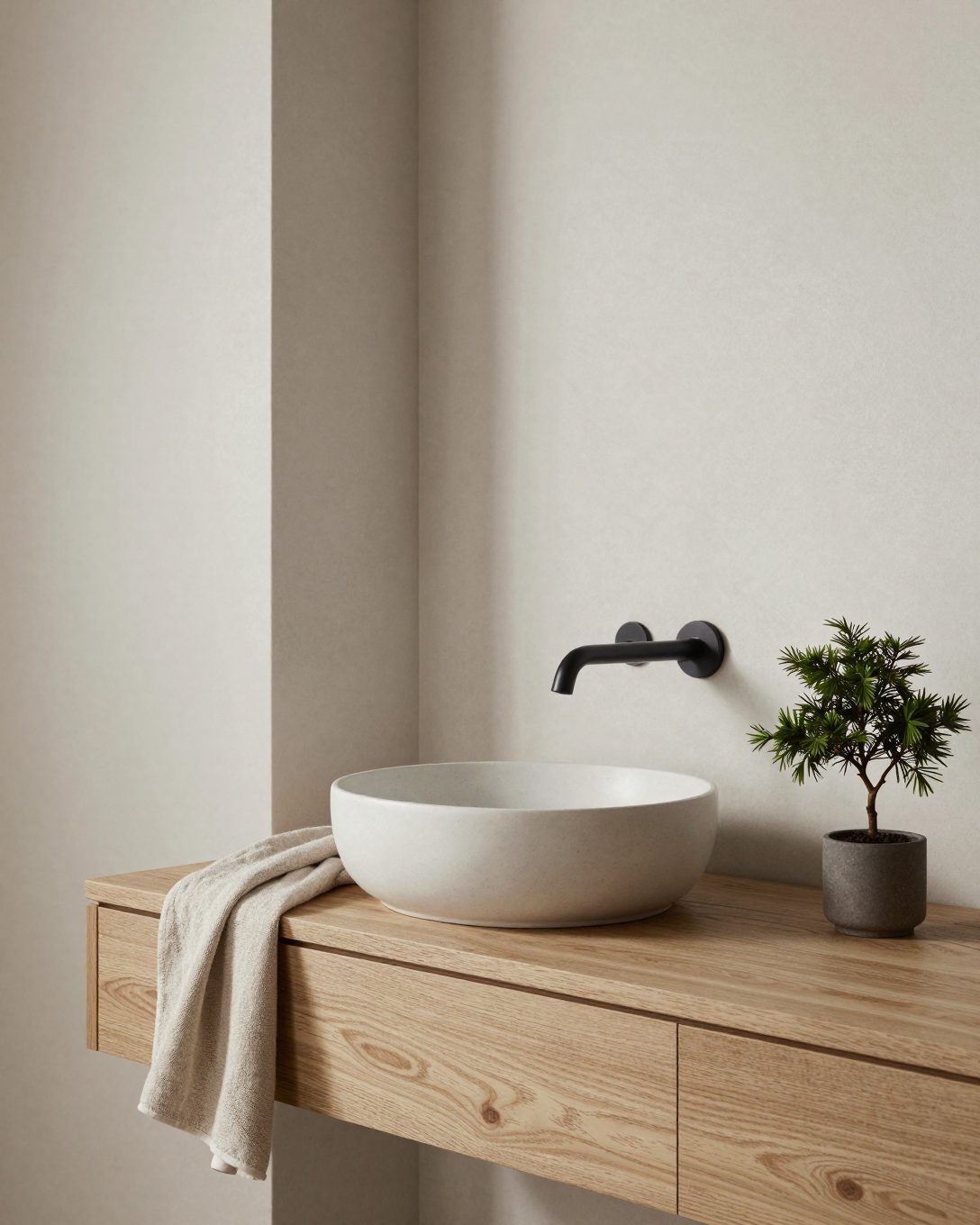
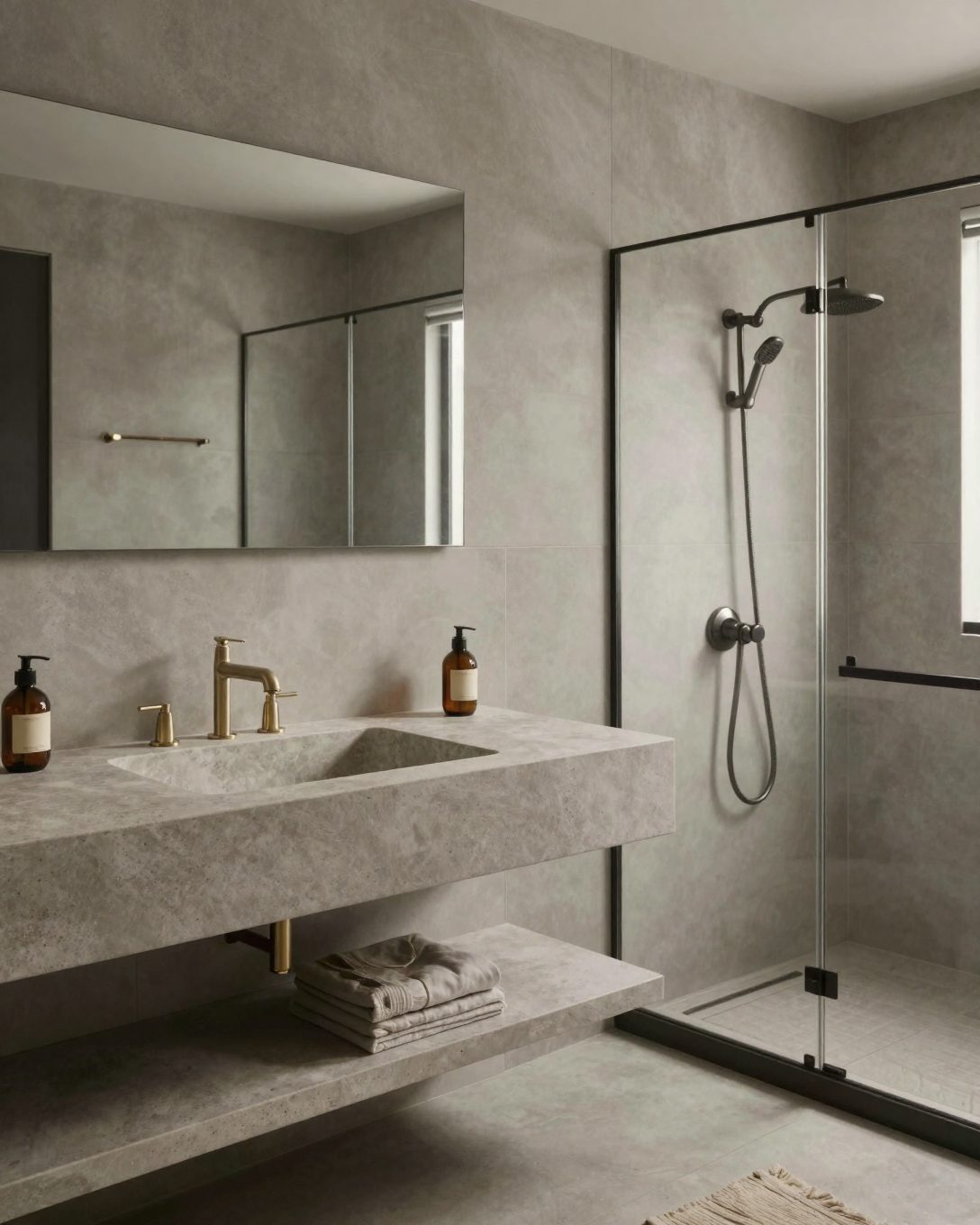
Japandi and contemporary.
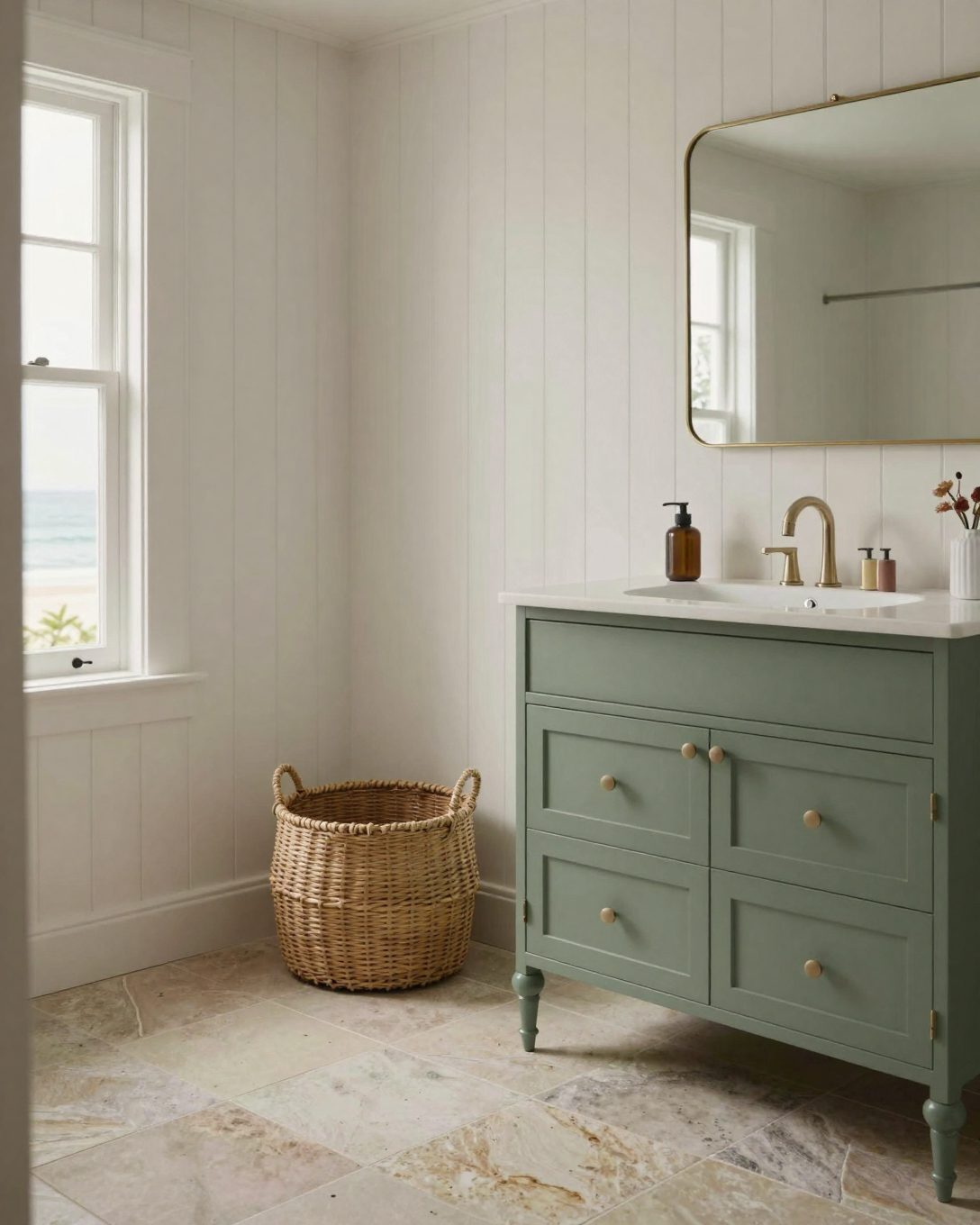
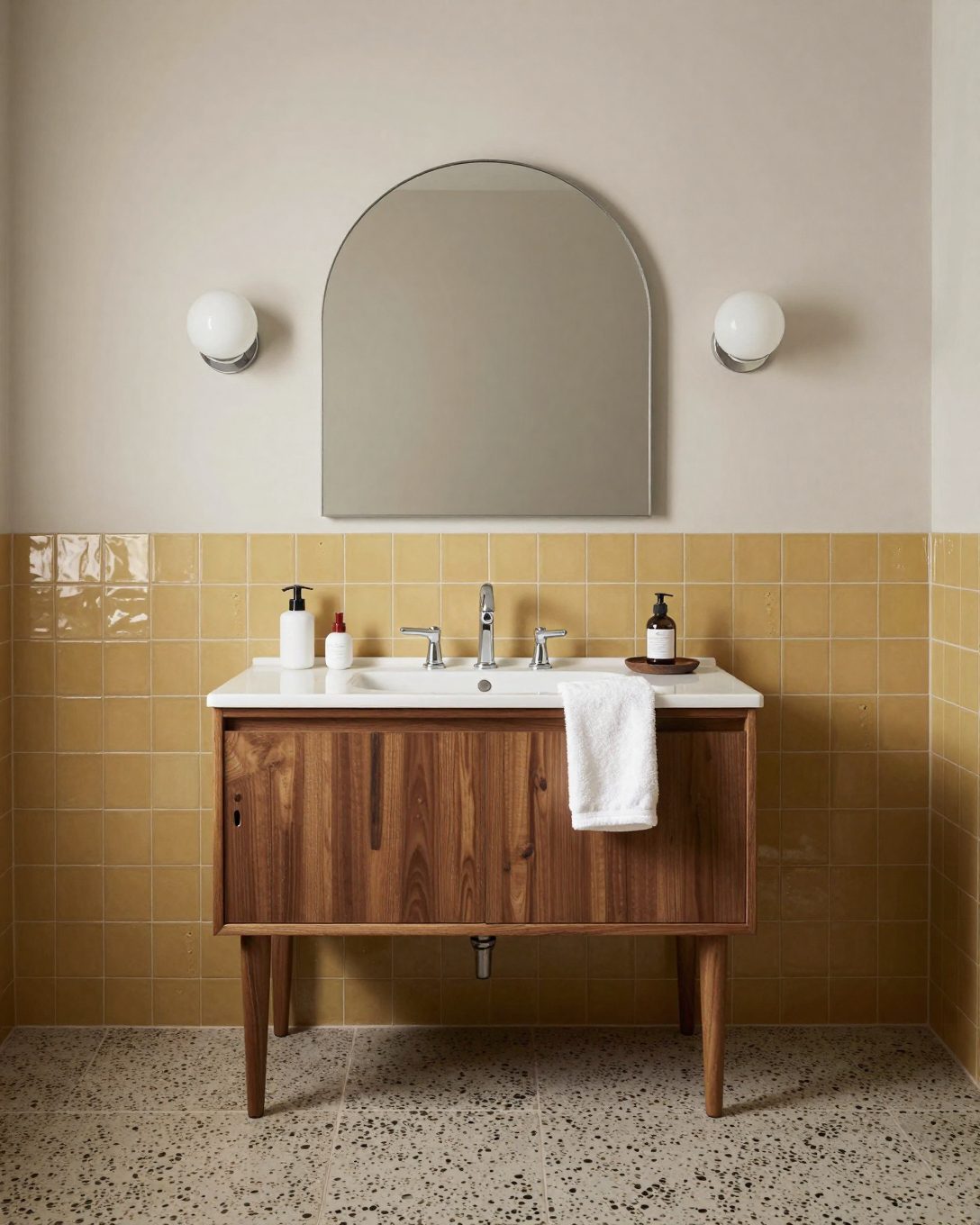
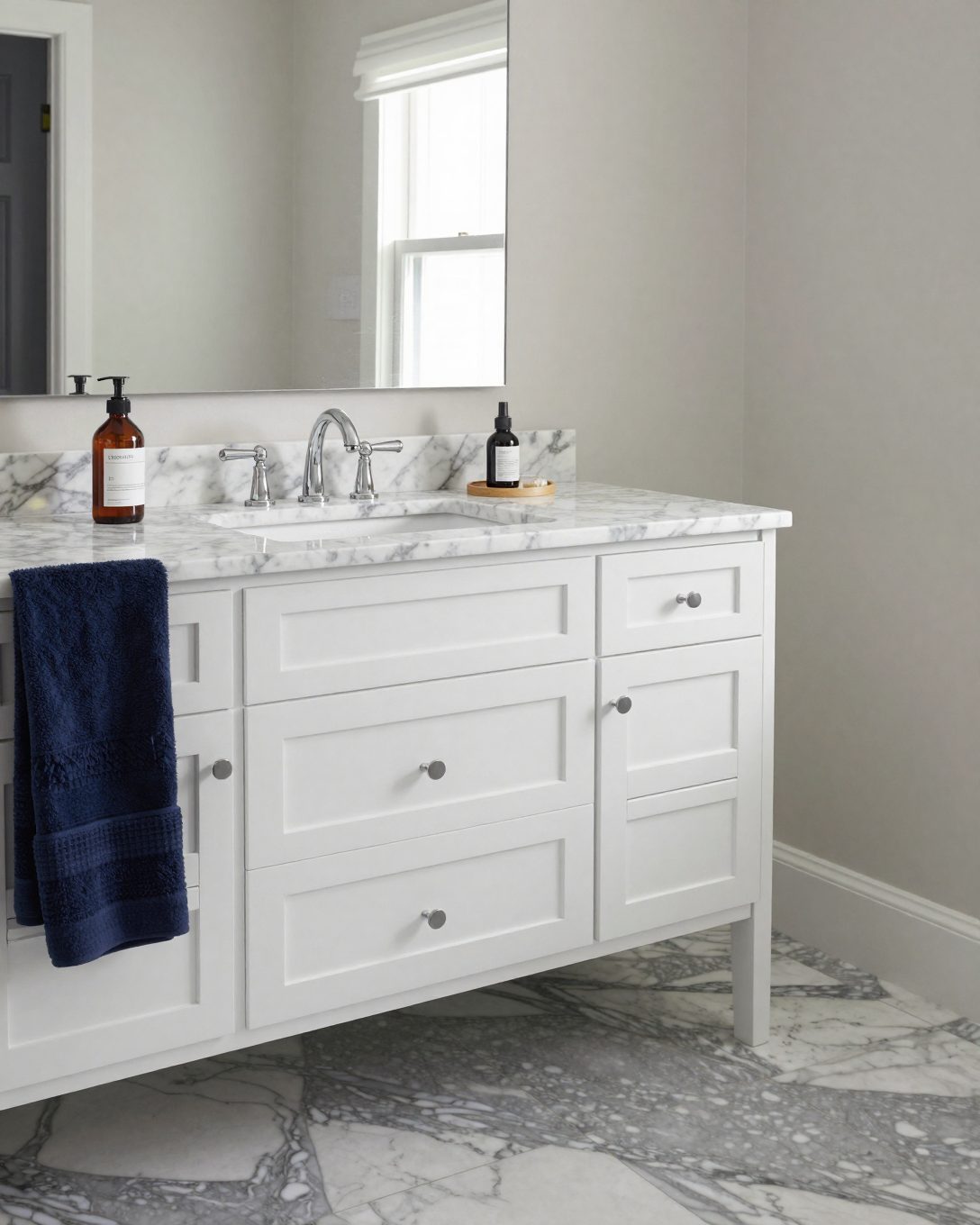
Mid-century modern and Hamptons.
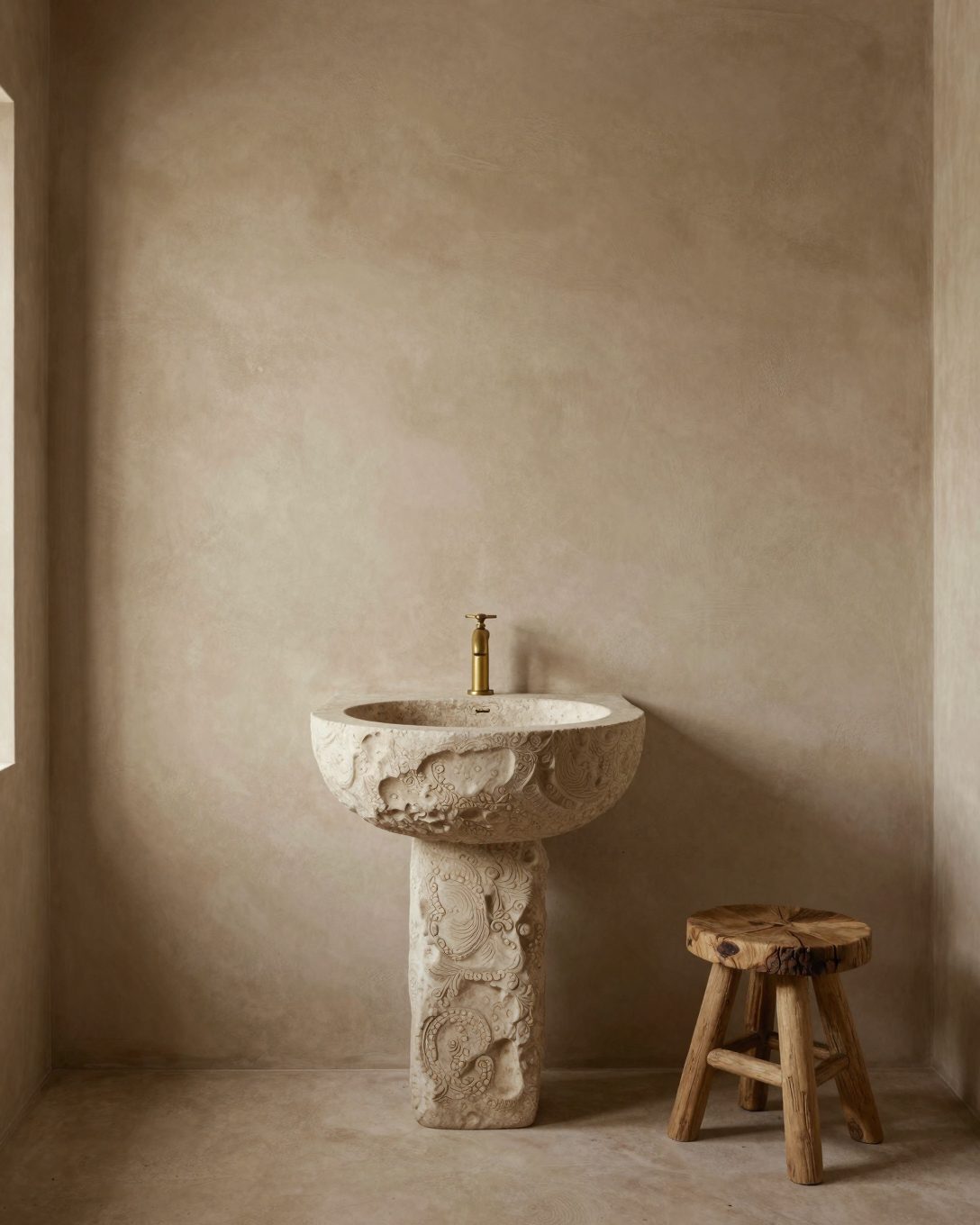
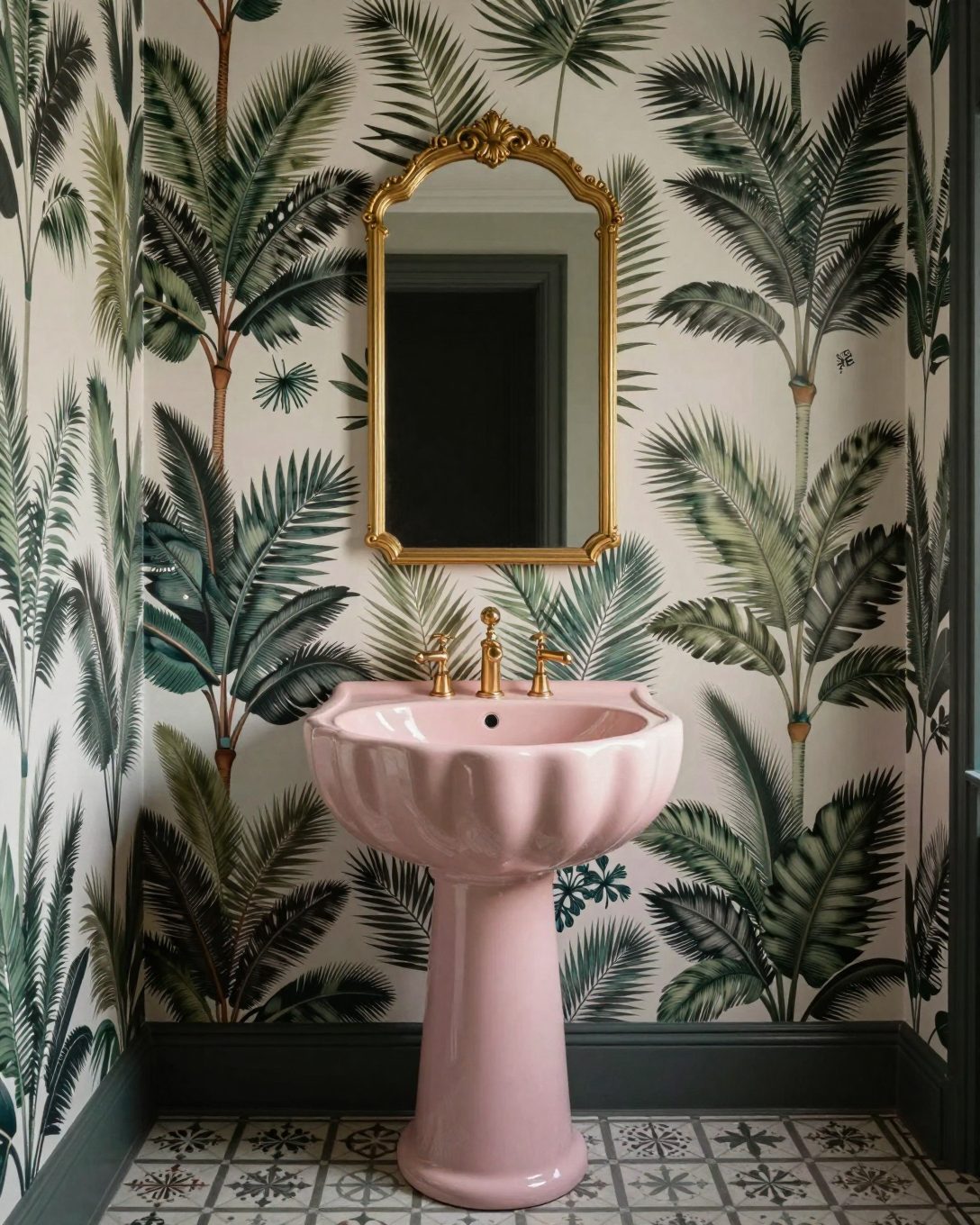
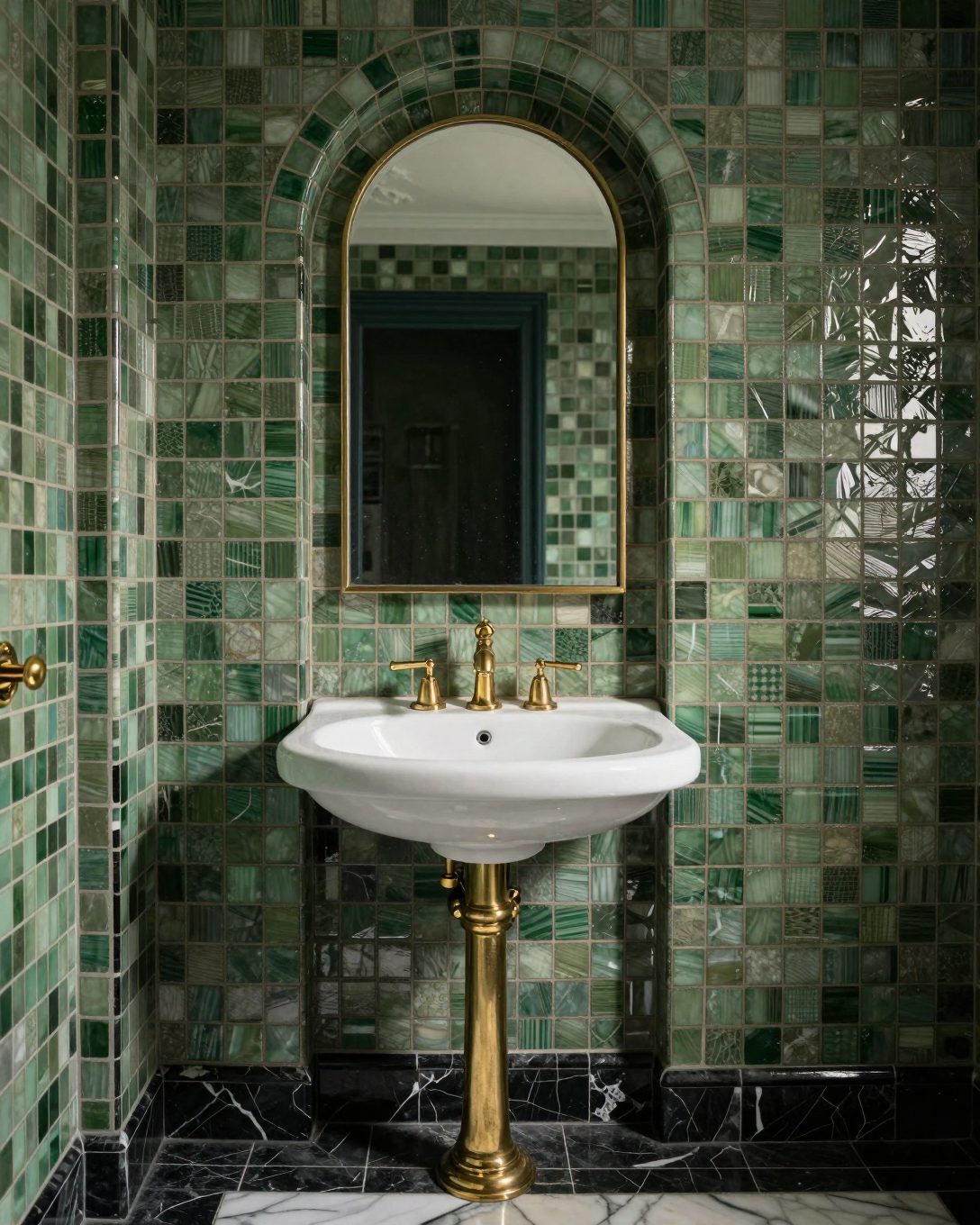
Wabi-sabi and maximalist.
By room
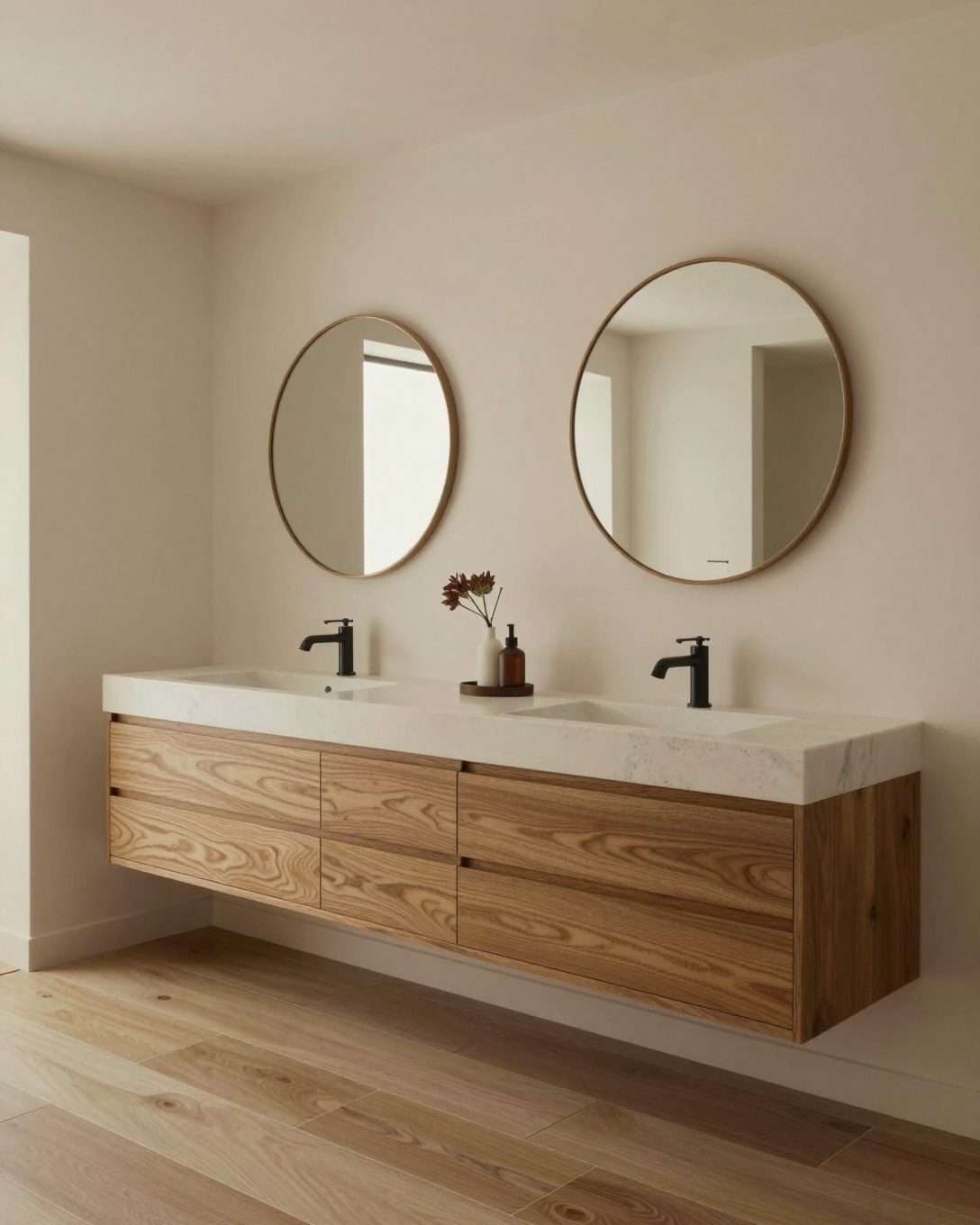
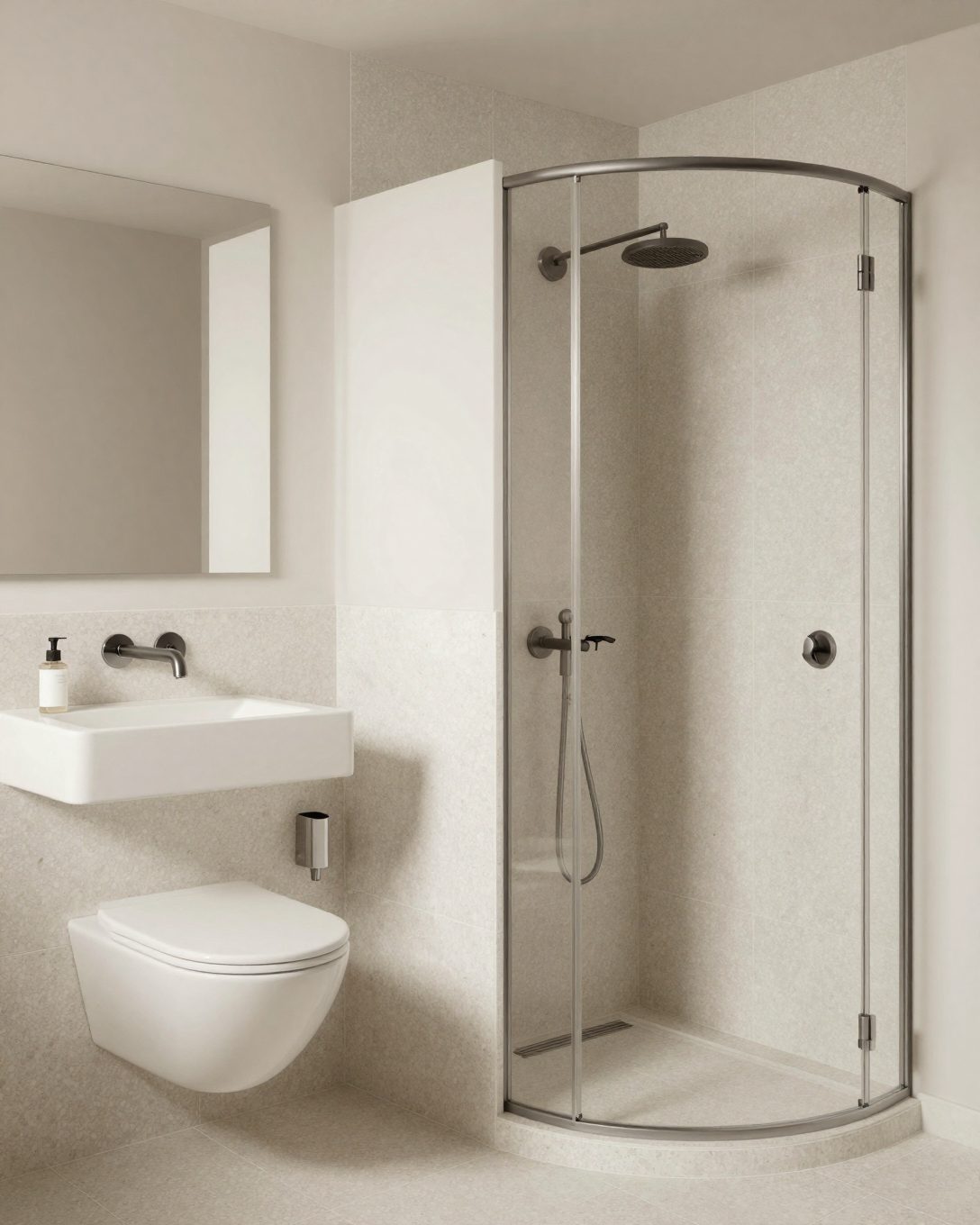
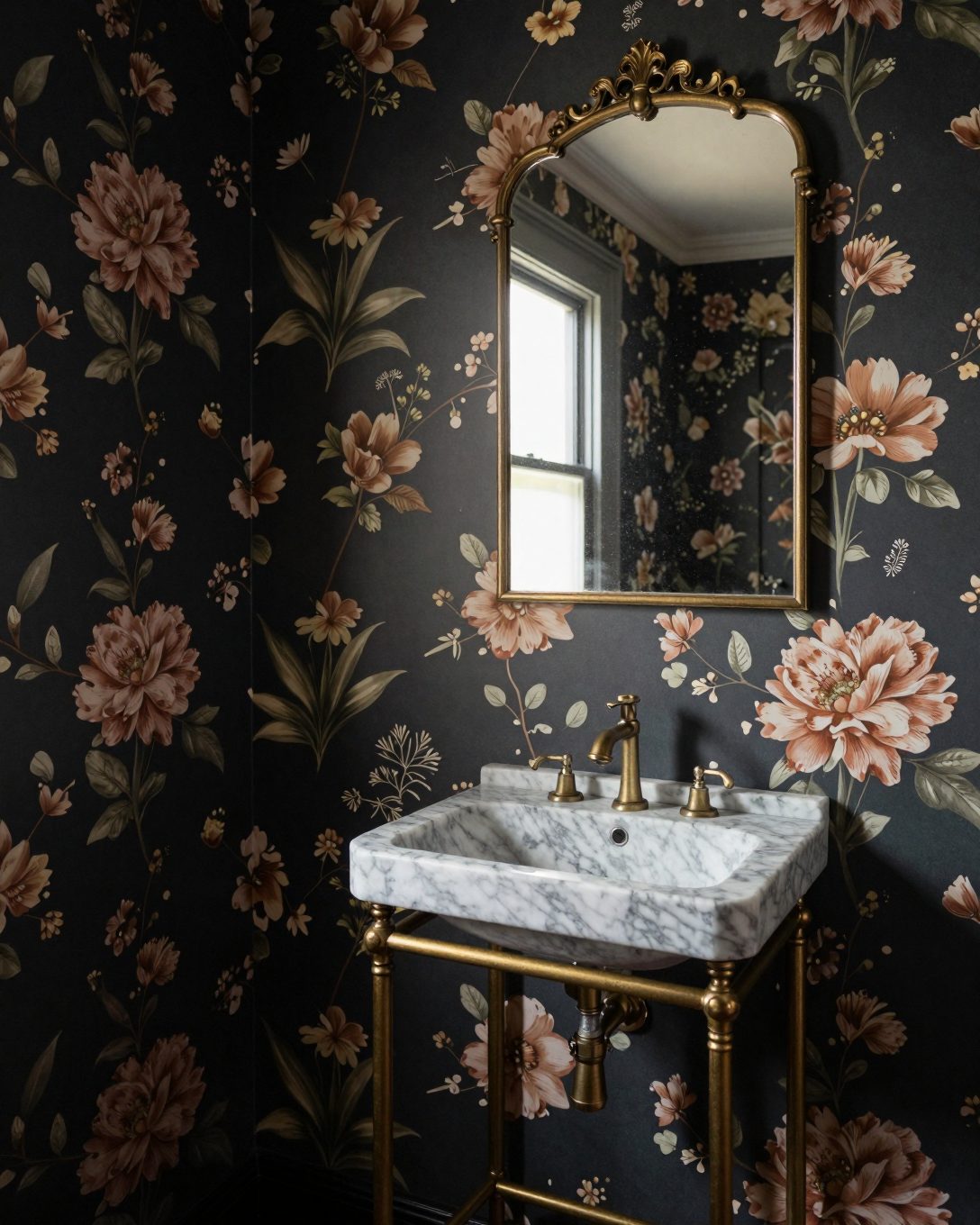
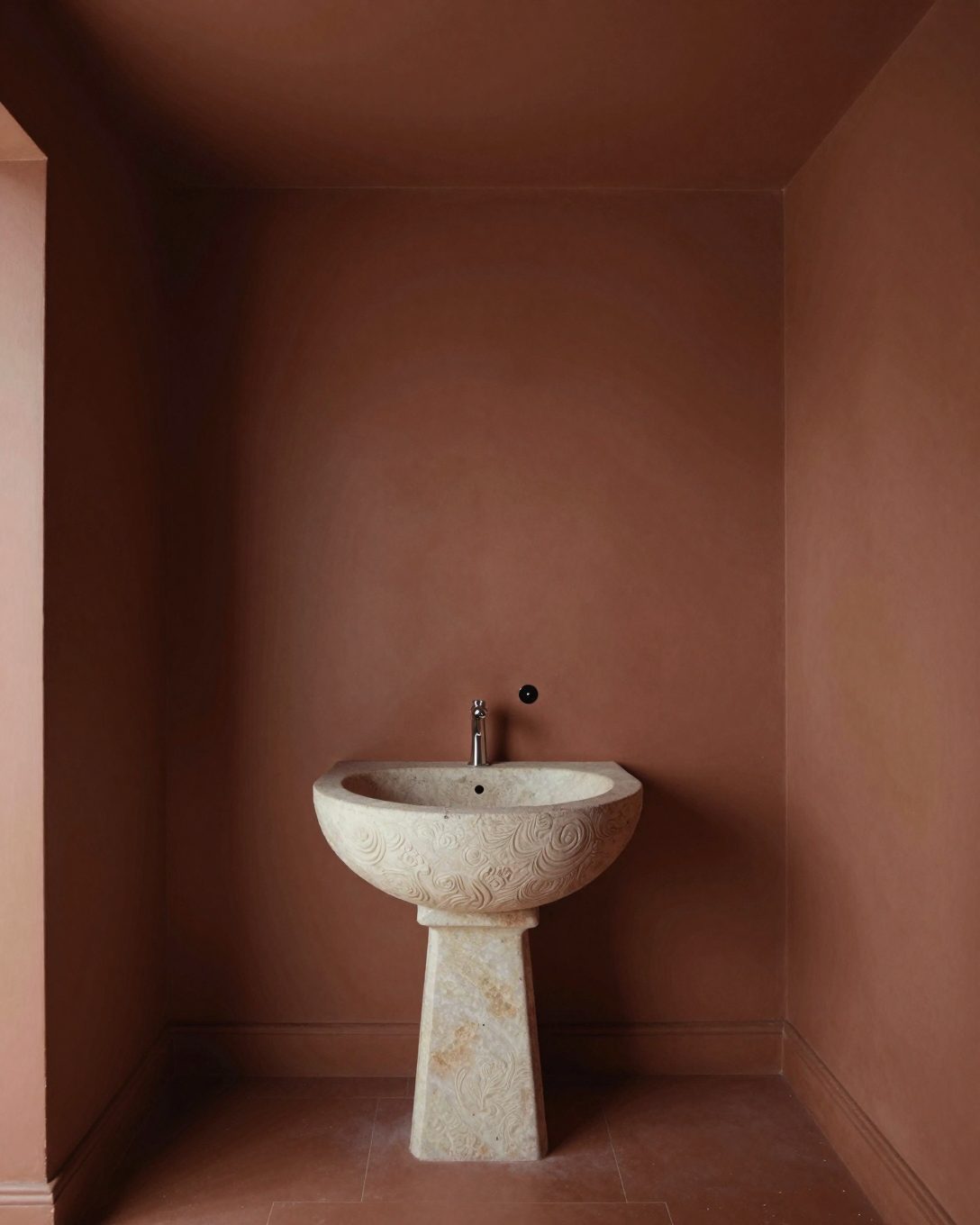
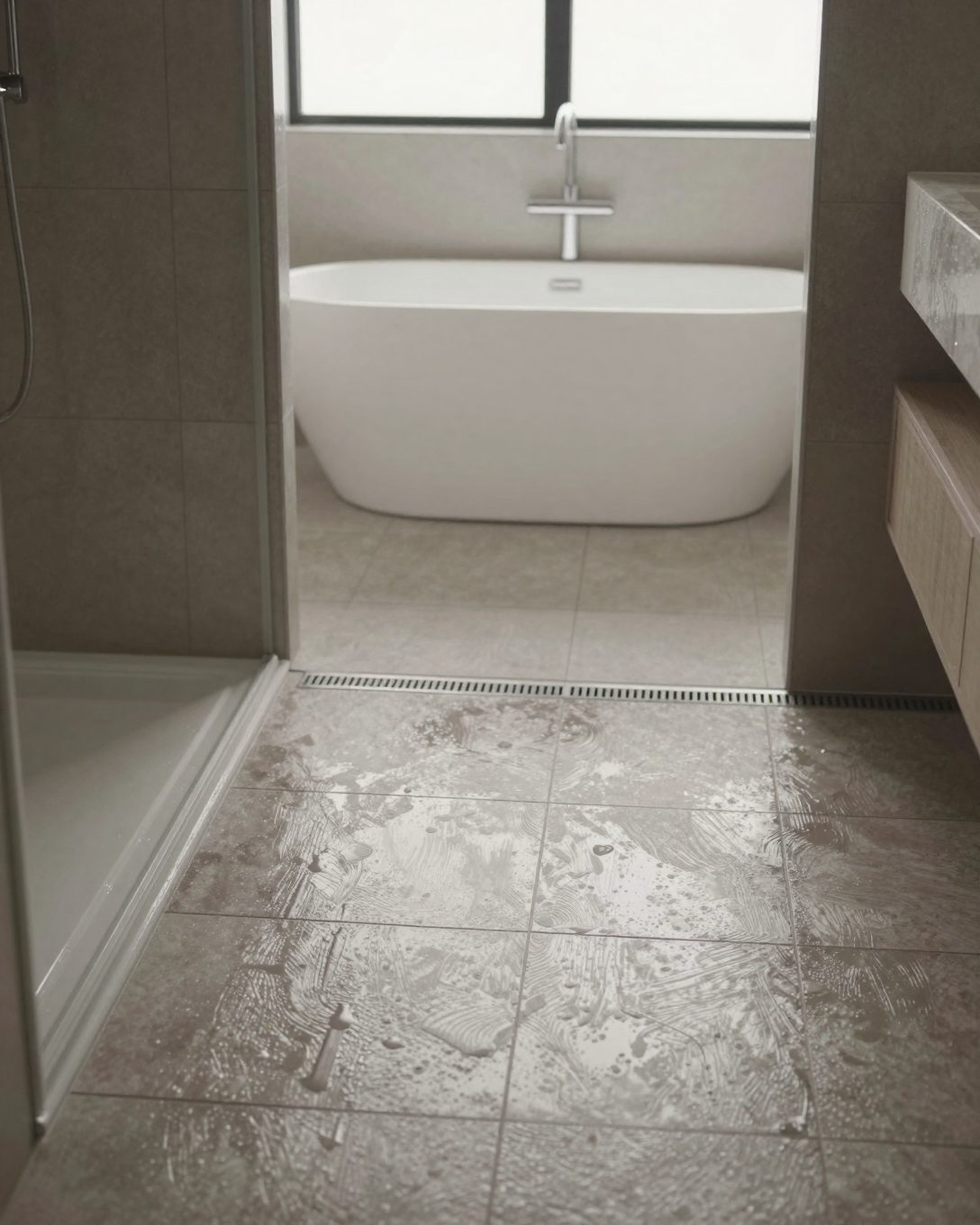
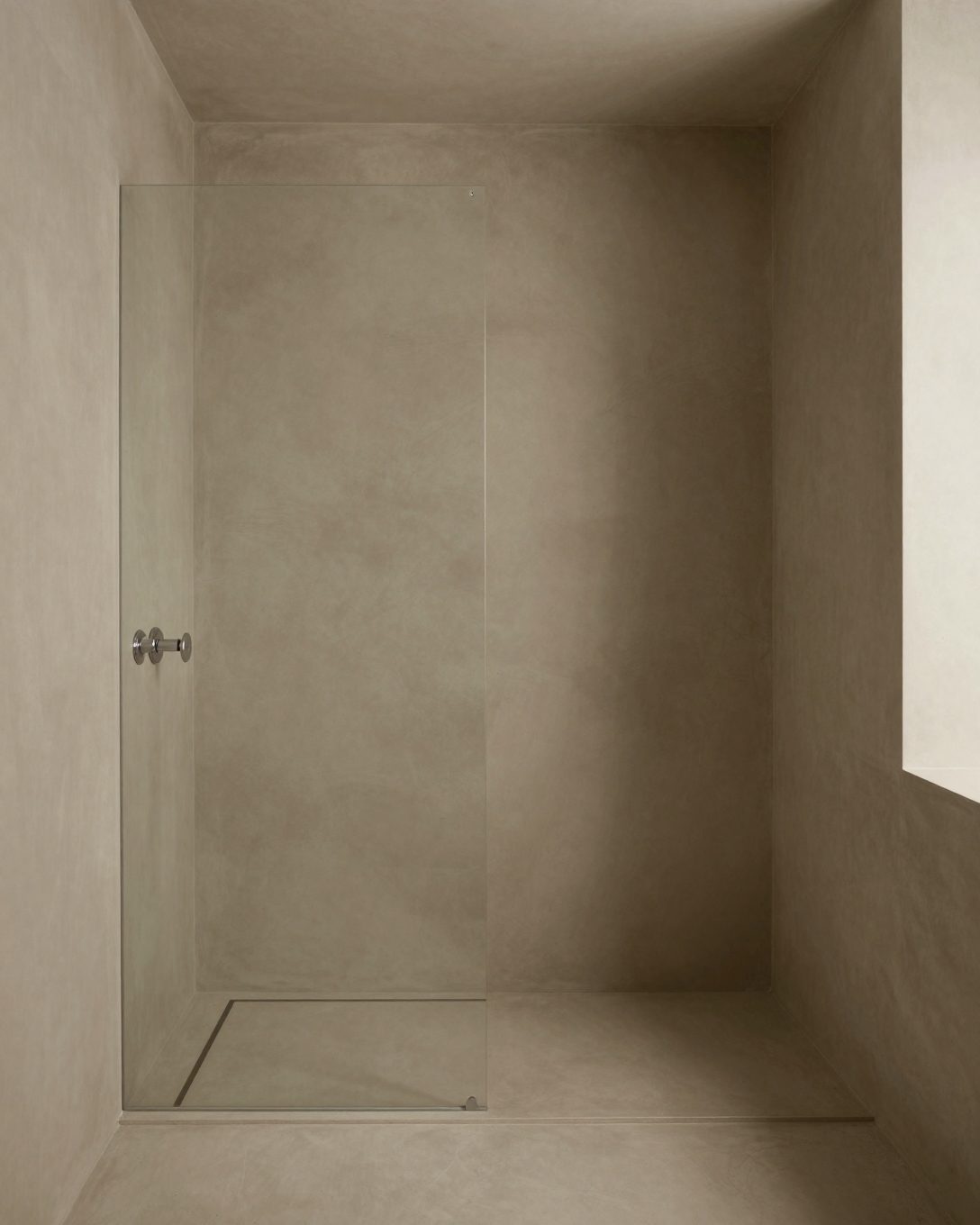
Wet rooms and microcement.
By colour
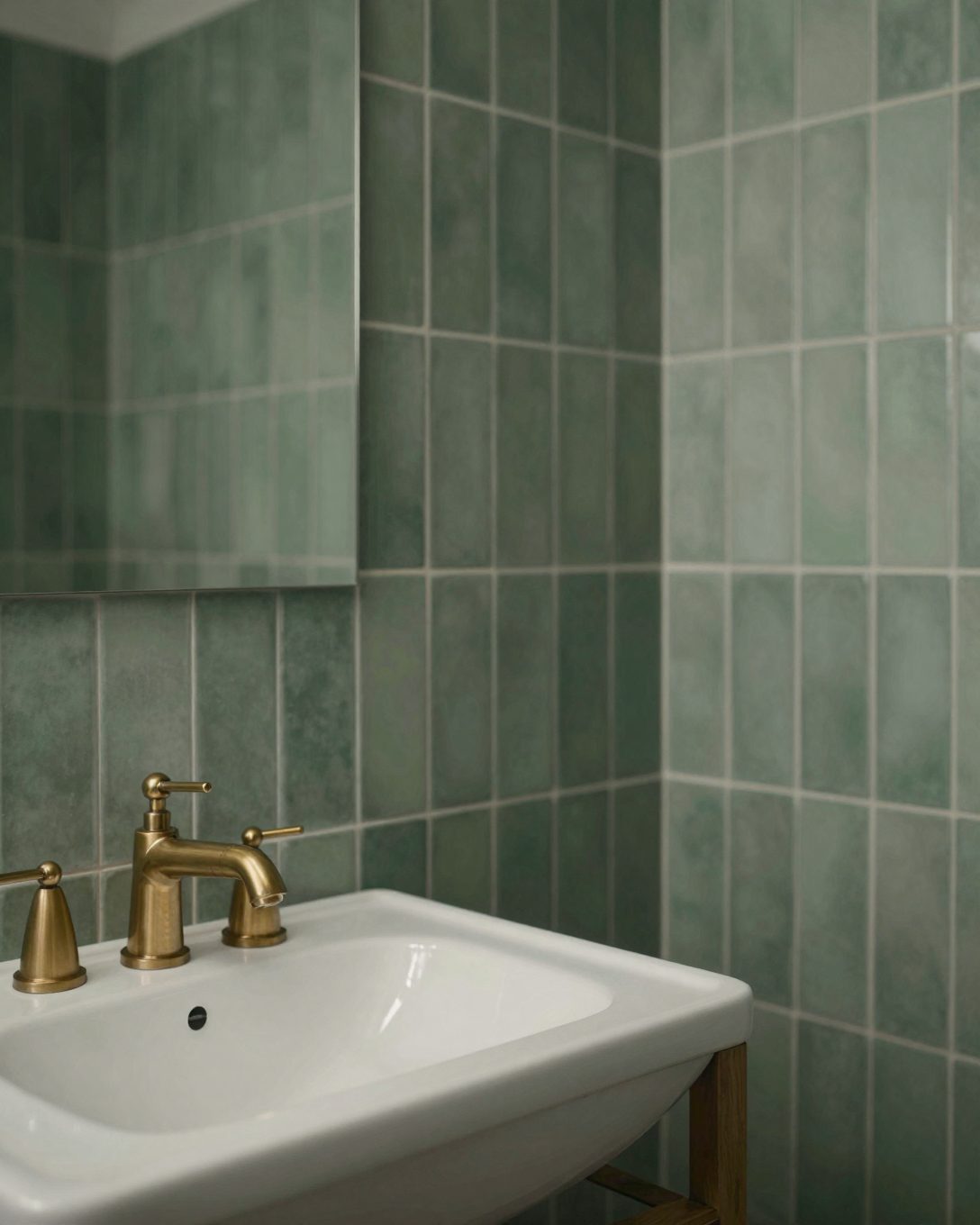
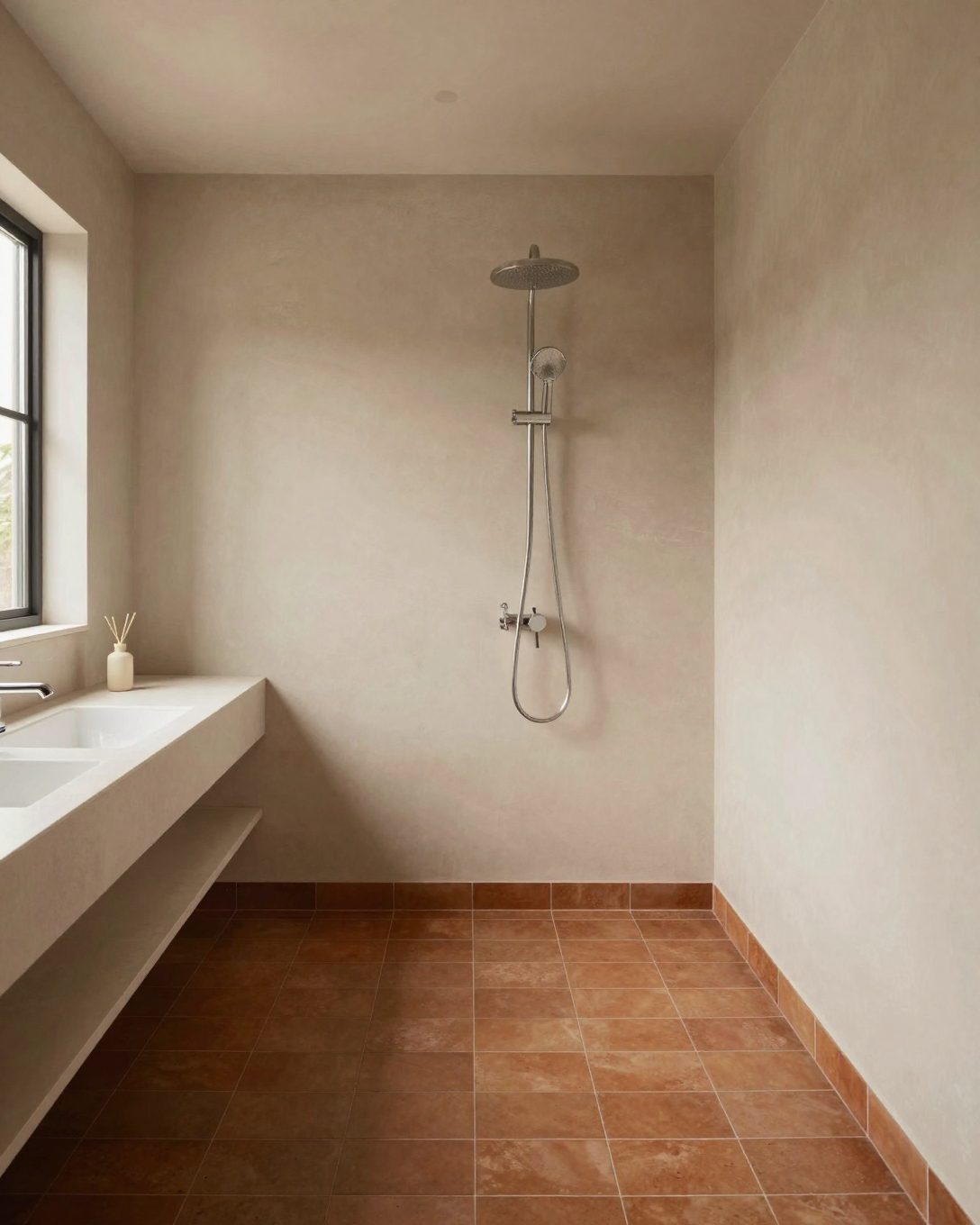
Real Australian bathrooms worth seeing
The year's award-winning bathrooms are best seen in their own photographs, on the awards' pages: the KBDi 2026 winners, the HIA 2026 Australian Bathroom Design award and the Australian Interior Design Awards residential gallery. Our roundup: the 2026 award winners.
How to use bathroom inspiration
Inspiration photos are most useful when you look past the overall picture and note the specific choices that make it work. For each bathroom you like, write down what you notice: the colour of the tiles and grout, the size and direction of the tiles, the vanity style and height, the tapware finish, where the light comes from, how the shower is screened, and where things are stored. After ten or twenty photos, patterns appear, and those patterns become your brief.
Separate the look from the layout
A bathroom in a photo is usually larger, brighter and emptier than yours, and was photographed by a professional. Separate what you can borrow (materials, colours, details) from what depends on the room (a freestanding bath in the middle, a wall of windows). A walk-in shower or a floating vanity can be adapted to most bathrooms; a vast stone wall may need to become a single feature panel.
What it costs to copy a look
Some looks are cheap to borrow: a paint colour, a tile laid in a different pattern, a new mirror or light, matte black or brushed tapware, linen towels. Others cost more: stone slabs, custom curved joinery, skylights, moving plumbing for a new layout. When a photo inspires you, list each element and mark it as cheap, moderate or expensive. Often the cheap elements carry most of the feeling. Our interior design styles guide and colour schemes explain the choices behind each look.
Inspiration by room size
Small bathrooms: look for wall-hung fittings, a single tile throughout, a fixed glass panel, mirrored storage and light colours.
Family bathrooms: look for durable surfaces, a bath, double basins or a wide vanity, and plenty of drawers.
Ensuites: look for clever storage, a calm palette and good mirror lighting. See ensuite bathroom ideas.
Powder rooms: look for bold wallpaper, colour drenching and statement basins. See powder room ideas.
Inspiration by budget
On a tight budget, look for bathrooms that use plain tiles in interesting layouts, painted walls above a tiled wet zone, off-the-shelf vanities and one feature. On a larger budget, look at stone, custom joinery, skylights and layered lighting. Our guides to what an interior designer does and what one costs explain where professional help adds value.
Turning photos into a brief
Choose your favourite five photos, and for each write one sentence on what you love. Add your must-haves (a bath for the children, storage for two, a shower without a step), your budget and your timeframe. Take that to a designer or a bathroom builder. A clear brief built from real photos saves hours of back-and-forth and makes quotes far more accurate.
Trends worth a look this year
This year's award-winning bathrooms leaned on fluted timber, microcement beside glossy zellige, soft curves, rich Art Deco colour and daylight from skylights. Our bathroom trends 2026 and award winners pages show where each idea came from.
Where the photos come from
The bathrooms in our gallery are credited to their designers and photographers. Use them for ideas, and contact the designer if you would like a similar room designed for your home.
Common inspiration mistakes
- Copying a photo without measuring your own room.
- Choosing finishes from photos without seeing samples in your light.
- Mixing too many looks from different photos.
- Forgetting storage, which photos often hide.
- Ignoring maintenance: some beautiful finishes need a lot of care.
Seeing bathrooms in person
Photos only go so far. Visit bathroom showrooms and tile shops to see materials at full size, touch tapware and open drawers. Display homes and open homes show how finishes look in real rooms with real light. Design awards and home shows are another way to see the best work up close.
Ideas from the gallery, explained
Japandi bathrooms in the gallery share warm timber vanities, large matte tiles, soft neutral colours and hidden storage. The look is calm because there are few materials and nothing on the benches. Borrow it with a timber-look vanity, plain large tiles and linen towels.
Contemporary bathrooms use wall-hung fittings, frameless glass and one feature, such as a coloured tile wall or a backlit mirror. Borrow it by choosing one feature and keeping everything else plain.
Coastal bathrooms rely on light colours, natural textures and plenty of daylight. Borrow it with pale tiles, a light timber or white vanity, brushed nickel tapware and a rattan mirror.
Art Deco bathrooms use arches, fluting, brass and rich colour. Borrow it with an arched mirror, a fluted vanity or a geometric floor tile.
Mid-century bathrooms use warm timber, terrazzo and coloured tiles. Borrow it with a terrazzo-look floor and a timber vanity.
Hamptons bathrooms use shaker cabinetry, marble-look surfaces and polished nickel. Borrow it with a shaker-style vanity and subway tiles.
Wabi-sabi bathrooms use handmade tiles, limewash and imperfect textures. Borrow it with one wall of handmade tiles and a ceramic basin.
Maximalist bathrooms use pattern, colour and art. Borrow it in a powder room with wallpaper and a bold basin.
Ideas by feature
Showers: walk-in showers with a single glass panel, linear drains, niches with lighting, rain heads with handheld wands, and bench seats.
Vanities: wall-hung designs with deep drawers, fluted or slatted fronts, double basins in ensuites, and stone or solid-surface tops.
Lighting: backlit mirrors, wall lights beside mirrors, strip lights under vanities and in niches, and skylights.
Floors: large-format tiles for a seamless look, patterned tiles for character, heated floors for comfort.
Storage: recessed shaving cabinets, tall cupboards, niches and built-in shelving.
How we choose bathrooms for the gallery
We choose Australian bathrooms that show a clear idea well, credit the designer and photographer, and group them by style and room so you can find ideas that suit your home. We favour bathrooms where the idea could be adapted to an ordinary house, not only to large luxury rooms.
From inspiration to renovation
Once you know what you like, the next steps are a budget, a layout and a builder. Our guides to bathroom layouts, bathroom colour schemes and what a designer does take you through each.
Questions to ask when you find a bathroom you love
- How big is this room compared with mine?
- Where does the light come from, and do I have a window in the same place?
- Which materials carry the look, and what would cheaper versions be?
- Where is the storage, and is it enough for my household?
- How would this look with my family's everyday things in it?
- Which single element would I take if I could only take one?
Answering these turns a pretty picture into a practical plan.
Small changes inspired by the gallery
Not every idea needs a renovation. A new mirror, a light fitting, a fresh paint colour, new tapware, matching towels, a plant and a tidy-up of the benches can change how a bathroom feels in a weekend. Start with these, and save the bigger ideas for when you renovate.
When the gallery is updated
We add bathrooms as new award winners and design projects are published, and remove any where we cannot confirm the credit.
Inspiration for different budgets, in detail
A makeover budget: look for makeovers rather than renovations. New tapware, a new vanity, a fresh paint colour, a new mirror and light, regrouting and resealing, and new accessories can transform a tired bathroom without touching the waterproofing or tiles.
A modest renovation budget: a modest full renovation with the layout unchanged: new tiles, a new vanity, a frameless shower panel, new tapware and lighting. Look for bathrooms that use plain large tiles with one feature.
A mid-range budget: a full renovation with better materials and some layout changes: a walk-in shower, a wall-hung toilet, full-height tiles, custom joinery and layered lighting. Look for bathrooms with one premium material, such as stone or handmade tiles.
A premium budget: larger or luxury bathrooms with stone slabs, freestanding baths, skylights, custom vanities and heating. Look at award winners for ideas.
Costs vary with the size of the room, the house, the location and the builder; get itemised quotes for your own bathroom.
A note on photos and real rooms
Professional photos use wide lenses, styling and perfect light. A bathroom that looks spacious in a photo may be modest in reality. When you visit a showroom or a display home, notice how the same finishes look at human scale and under ordinary lighting; that is how they will look in your home.
Bathroom inspiration for every room in the house
Inspiration is not only for the main bathroom. Ensuites, powder rooms, laundries and outdoor showers all benefit from the same approach: collect photos, note what you like, and choose a few ideas that suit the room. A laundry can borrow a bathroom's tiles and tapware for a consistent look; an outdoor shower can borrow natural timber and stone from a Japandi bathroom; a powder room can take the boldest idea in the house. Our pages on ensuites and powder rooms show ideas for each room.
Our short answer
Use bathroom inspiration to find patterns in what you like, separate the look from the layout, borrow the affordable elements first, and turn your favourite photos into a written brief for a designer or builder.
Saving ideas you find
Keep the photos you love in one place: a folder on your phone, a board on a pinning app or a printed scrapbook. Add a note to each about what you like, so you remember months later. When you meet a designer or builder, share the folder; it is the quickest way to show what you mean. Delete the photos you no longer love as your ideas firm up, so the folder becomes a clear picture of the bathroom you want, rather than a collection of every nice room you have seen.
A note on copying designs
Borrowing ideas from published bathrooms is how design spreads, and designers expect it. Copying a specific custom piece exactly, such as a designer's signature vanity, is different; if you want something very close, ask the designer whether they offer it or design one for you. Crediting and supporting the designers whose work you admire helps them keep creating the rooms you find inspiring.